


Navigating the New Era of Crypto, Bitcoin, Blockchain, and DeFi: Key Trends for Q3 2024
Estimated reading time: 11 minutes.
Key Takeaways
- Institutional Capital is Reshaping the Market: The successful launch of spot Bitcoin ETFs has unlocked a torrent of institutional capital, legitimizing the asset class, increasing liquidity, and setting the stage for more regulated crypto investment products.
- DeFi is Maturing Beyond Hype: The focus in Decentralized Finance (DeFi) is shifting from unsustainable, high-yield farming to stable, revenue-generating models. The tokenization of Real-World Assets (RWAs) like bonds and real estate is a key driver of this evolution, bringing tangible value on-chain.
- Regulation is a Double-Edged Sword: While enforcement actions create short-term volatility, the global trend towards clearer regulatory frameworks (like MiCA in Europe) is providing the certainty needed for long-term institutional and enterprise adoption of blockchain technology.
- The Technology Stack is Advancing: Layer-2 scaling solutions are making blockchain networks faster and cheaper, while interoperability protocols are enabling seamless communication between different chains, paving the way for more complex and powerful applications.
Table of Contents
- The Institutional Floodgates Open: Bitcoin ETFs and the Mainstream Embrace
- The Regulatory Tightrope: Navigating Global Crypto and DeFi Policy
- Bridging Worlds: The Rise of Real-World Asset (RWA) Tokenization
- DeFi 2.0: From Speculative Yields to Sustainable Finance
- Strategic Positioning for Investors in This Evolving Market
- From Insight to Action: The Technology Behind Market Leadership
- Recommended Video
- Frequently Asked Questions
The world of crypto, bitcoin, blockchain, and DeFi is at a pivotal crossroads. After years of explosive, often chaotic growth, the industry is entering a new phase of maturation defined by institutional integration, regulatory clarity, and a profound shift from speculative hype to tangible, real-world utility. The speculative frenzy of the past is giving way to a more structured, sustainable, and professionalized ecosystem. For traders, investors, and builders, understanding this transition is no longer just an advantage—it’s essential for survival and success.
This new chapter is being written by major financial institutions adopting digital assets, regulators establishing clear rules of engagement, and developers building the next generation of decentralized applications on more scalable and interconnected blockchain infrastructure. The narrative is no longer just about quick gains; it’s about building resilient financial systems, tokenizing real-world assets, and creating a more efficient global economy.
In this analysis, we will dissect the most significant trends shaping the digital asset landscape. We’ll explore the seismic impact of Bitcoin ETFs, the double-edged sword of global regulation, the rise of Real-World Asset (RWA) tokenization, and the evolution of DeFi towards more sustainable models. For those looking to stay ahead, this is your guide to the forces driving the market today and tomorrow.
The Institutional Floodgates Open: Bitcoin ETFs and the Mainstream Embrace
For years, the crypto industry has anticipated the arrival of “institutional money.” In 2024, that arrival became an undeniable reality. The approval and launch of spot Bitcoin ETFs in the United States marked a watershed moment, providing a regulated, accessible, and familiar vehicle for wealth managers, pension funds, and retail investors to gain exposure to Bitcoin. The impact was immediate and profound, with billions of dollars flowing into these products within weeks.
This isn’t just about new money entering the system; it’s a fundamental shift in market structure. The ETFs provide a constant source of demand, potentially dampening the wild volatility that has long characterized the crypto market. More importantly, they serve as a powerful stamp of legitimacy. When financial giants like BlackRock and Fidelity offer Bitcoin products, it signals to the rest of the financial world that the asset is here to stay.
The success of these products has already ignited conversations about the next wave of crypto ETFs, with spot Ethereum funds seen as the likely successor. This trend represents the “financialization” of digital assets—integrating them into the existing global financial system, which will bring both unprecedented opportunities and new challenges related to market correlation and regulatory oversight.
Expert Take: “Industry analysts predict that spot ETFs are just the first step. The real prize is the integration of digital assets into the portfolio of every major wealth manager and pension fund, a process that has only just begun.”
The Regulatory Tightrope: Navigating Global Crypto and DeFi Policy
As the crypto industry grows in significance, so does the attention it receives from regulators worldwide. The current landscape is a complex patchwork of enforcement-first approaches and the development of comprehensive legal frameworks. In the United States, agencies like the SEC have pursued aggressive enforcement actions against major exchanges and DeFi projects, creating a climate of uncertainty for builders and investors.
In contrast, other regions are moving towards clarity. The European Union’s Markets in Crypto-Assets (MiCA) regulation, for example, provides a clear, harmonized rulebook for crypto-asset service providers across its member states. This clarity, even if strict, is a powerful magnet for businesses seeking a stable environment in which to operate and innovate.
For investors, tracking these divergent regulatory paths is crucial. Regulatory decisions are now one of the most significant drivers of market sentiment and asset prices. The long-term winners in the blockchain space will likely be those projects and companies that prioritize compliance and can adapt to this evolving legal landscape. Uncertainty is the enemy of progress, and as regulatory frameworks solidify, they will pave the way for deeper enterprise adoption.
Expert Take: “As one regulatory strategist notes, ‘The crypto industry is no longer operating in a gray area. Projects that prioritize compliance and transparency will be the ones that attract serious capital and user adoption in the long run.’”
Bridging Worlds: The Rise of Real-World Asset (RWA) Tokenization
Perhaps the most exciting and tangible innovation in DeFi today is the tokenization of Real-World Assets (RWAs). In simple terms, this is the process of creating a digital representation (a token) of a physical or traditional financial asset on the blockchain. Think of a token that represents a fractional share of a commercial real estate property, a stake in a private credit fund, or even a US Treasury bond.
The benefits are transformative:
- Enhanced Liquidity: Illiquid assets like real estate or private equity can be fractionalized and traded on global, 24/7 markets.
- Accessibility: It lowers the barrier to entry, allowing smaller investors to access asset classes previously reserved for the ultra-wealthy.
- Transparency & Efficiency: Ownership and transaction records are immutable and transparent on the blockchain, reducing the need for costly intermediaries and manual paperwork.
This trend is already gaining serious momentum. Major financial players are experimenting with tokenized funds, and a new generation of DeFi protocols is being built specifically to manage and trade RWAs. By bringing the value of the $800 trillion traditional finance market on-chain, RWAs have the potential to provide a stable, sustainable source of yield for DeFi, moving it far beyond its speculative roots.
DeFi 2.0: From Speculative Yields to Sustainable Finance
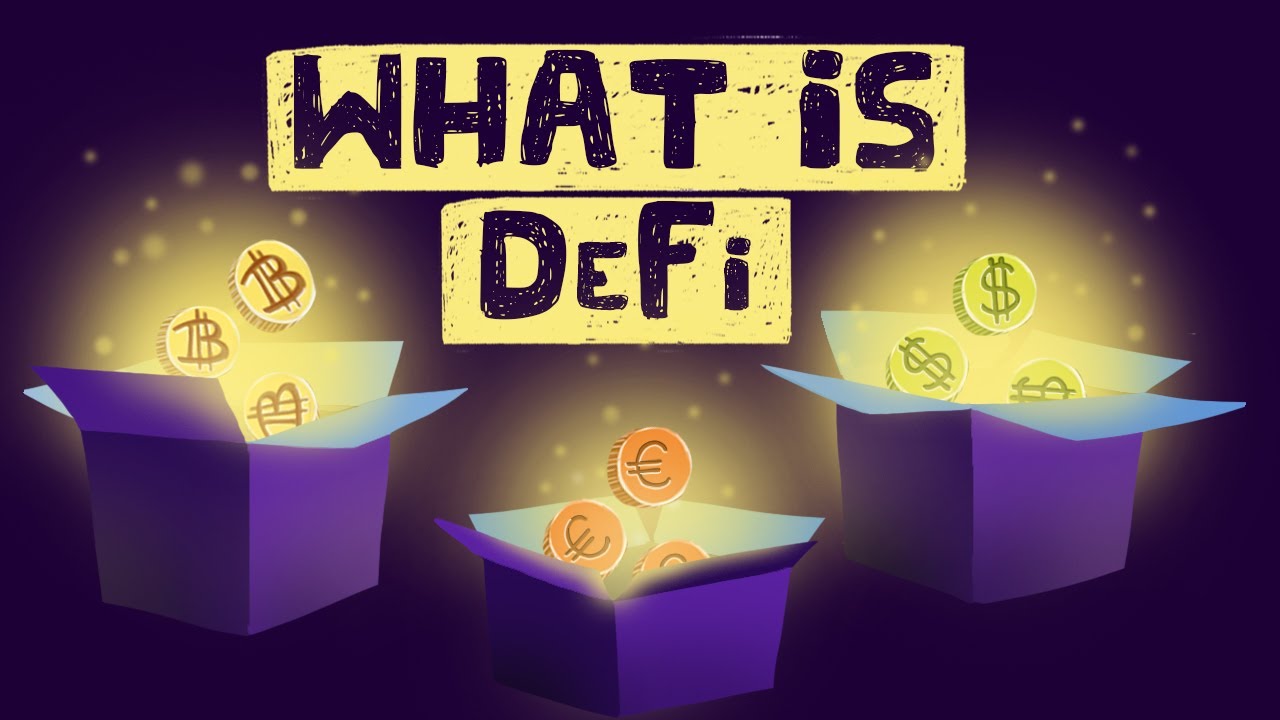
The early days of DeFi were defined by “yield farming”—a process where users provided liquidity to new protocols in exchange for often astronomical, but highly inflationary, token rewards. While this model was effective for bootstrapping growth, it proved unsustainable, leading to boom-and-bust cycles. Today, the most resilient DeFi protocols are pioneering a new model: DeFi 2.0, built on sustainable, real-world revenue.
This new paradigm is fueled by two key pillars: the RWA trend discussed above and the growth of sophisticated on-chain financial products like decentralized perpetual futures exchanges. These platforms generate real revenue from trading fees, which can then be distributed to token holders or used to strengthen the protocol’s treasury. This creates a virtuous cycle where the protocol’s success is tied to its actual usage and profitability, not just speculative token emissions.
To better understand this crucial shift, it’s helpful to compare the old and new models of DeFi.
Comparison: DeFi 1.0 vs. DeFi 2.0
| Feature | DeFi 1.0 (Yield Farming Era) | DeFi 2.0 (Sustainable Finance Era) |
|---|---|---|
| Primary Yield Source | – Inflammatory token rewards – Liquidity mining incentives |
– Real-world asset yields (e.g., Treasury bonds) – Trading fees from perpetual DEXs – Protocol-owned revenue |
| Pros | – Extremely high initial APYs – Rapid protocol growth (TVL) – Low barrier to entry for users |
– More stable and predictable yields – Backed by off-chain value – Attracts institutional capital – Less susceptible to token price crashes |
| Cons | – Unsustainable tokenomics – Prone to “farm and dump” schemes – High risk of impermanent loss and hacks – Attracted speculative capital |
– Lower, more conservative yields – Requires complex legal and regulatory frameworks for RWAs – Higher barrier to entry for protocols |
| Use Case Suitability | Best for risk-tolerant speculators and early adopters seeking high-growth, short-term opportunities. | Ideal for long-term investors, institutions, and users seeking stable, real-world returns within the crypto ecosystem. |
Strategic Positioning for Investors in This Evolving Market
Given these powerful trends, how should traders and investors position themselves? Passively holding assets is no longer enough. Active, informed participation is key to navigating this complex environment.
Here are four practical steps you can take in the next 90 days:
- Audit Your Portfolio for Trend Alignment: Re-evaluate your holdings. Are they primarily speculative assets from the last cycle, or are they aligned with the durable trends of institutional adoption, RWA integration, and sustainable DeFi? Consider increasing exposure to assets and protocols that are building real-world utility and have clear paths to profitability.
- Make Regulatory Tracking a Priority: Don’t treat regulatory news as background noise. It is a primary market driver. Use trusted news hubs like i-fastpro.com to stay informed about key policy decisions in the US, Europe, and Asia. Understanding the regulatory landscape is now a core component of risk management.
- Explore the Layer-2 Ecosystem: While Bitcoin and Ethereum command headlines, much of the cutting-edge innovation is happening on Layer-2 scaling solutions (like Arbitrum, Optimism, and Polygon). These networks offer lower transaction fees and faster speeds, making them fertile ground for new applications in DeFi, gaming, and social media.
- Analyze Yield Sources: If you participate in DeFi, look beyond the advertised APY. Dig deeper to understand where the yield is coming from. Is it from unsustainable token emissions or from real revenue generated by trading fees or RWA yields? Prioritizing protocols with real, verifiable cash flow is a crucial step toward building a resilient DeFi portfolio.
From Insight to Action: The Technology Behind Market Leadership
Staying ahead in the modern digital asset economy requires more than just information; it demands intelligent action. The most sophisticated traders, funds, and crypto-native businesses are no longer just consuming news—they are building technological advantages to process it faster and act on it more effectively.
This is where the worlds of blockchain and artificial intelligence converge. Savvy market participants are leveraging AI automation to monitor on-chain data for anomalies, track social media sentiment for emerging narratives, and even execute complex trading strategies across multiple DeFi protocols simultaneously. These are not tools you can simply buy off the shelf; they require custom workflow design and deep technical expertise.
Furthermore, as the industry matures, having a professional digital presence is paramount. Launching a Web3 project, a new DeFi protocol, or an NFT collection requires robust website development and secure blockchain integration. At i-fastpro.com, we recognize this duality. While our news hub is dedicated to providing you with market-leading insights, our technology consulting arm helps you build the systems needed to capitalize on that knowledge. We bridge the gap between market intelligence and technical execution.
Ready to Build Your Edge in the Digital Asset Economy?
The landscape of crypto, bitcoin, blockchain, and DeFi is transforming from a niche interest into a core component of the future financial system. Information is your starting point, but true success comes from turning that information into automated, intelligent, and decisive action.
If you’re ready to move beyond simply reading the news and start building a real competitive advantage, our team can help. Explore our AI automation and consulting services to discover how we can help you design smarter workflows, develop your Web3 presence, and build a future-ready strategy for the digital asset economy.
Book a Free Strategy Call with Our Experts Today
Recommended Video
Frequently Asked Questions
1. What are the main crypto trends for Q3 2024?
The main trends include the influx of institutional capital via Spot Bitcoin ETFs, the shift towards sustainable “DeFi 2.0” models, the tokenization of Real-World Assets (RWAs), and the development of clearer global regulatory frameworks like MiCA.
2. How is DeFi changing in 2024?
DeFi is maturing from a speculative, high-yield environment to a sustainable financial system. Protocols are focusing on real revenue generation through trading fees and integrating Real-World Assets (RWAs) like treasury bonds to offer stable yields, moving away from inflationary token rewards.
3. Why is Real-World Asset (RWA) tokenization important?
RWA tokenization bridges traditional finance and blockchain by bringing assets like real estate and bonds on-chain. This increases liquidity, lowers barriers to entry for investors, and provides transparent, 24/7 trading opportunities that were previously inaccessible to many.
4. What should investors do to stay ahead in this market?
Investors should audit their portfolios for alignment with institutional trends, keep a close watch on regulatory developments, explore opportunities in Layer-2 ecosystems, and analyze the source of yields in DeFi protocols to ensure they are sustainable.
